
Welcome to the Solar Price Pak blog — our collection of solar guides, price explainers and practical how-to articles for Pakistan. Alongside our main price guides, the blog is where we dig into the details: how equipment prices move, what makes a quotation fair, and how to read the technical information that comes with solar hardware.
You will find price guides for the three big equipment categories: solar panels, solar inverters and batteries. Our panel guides track per-watt rates and the differences between technologies and tiers; the inverter guides compare hybrid, on-grid and off-grid models by the specifications that actually matter for your load; and the battery guides cover lithium and other storage options, including how capacity, cycle life and warranty terms affect what you really get for your money.
System cost guides answer the question most readers arrive with: what will a complete system cost? We break down indicative prices for common household sizes — from small backup setups to full home systems — and explain which components and installation items make up the total. Our sizing and quotation checklists then show how to compare installer offers like for like, so a lower headline price cannot hide missing equipment or weak warranties.
We also publish updates on government schemes, net metering and the policies that affect solar owners in Pakistan. These articles track official announcements, explain eligibility in plain language, and help you verify what a new notice actually changes — so a recycled social-media graphic is never mistaken for a new application round.
Every guide is written to be checked, not just read. Wherever figures matter, we say which city and date they come from, and we welcome price corrections from readers (see our Contact page). Browse the latest articles below, or follow the links inside each article to plan the next step of your solar project.
IP65 vs IP66 Solar Inverters: Location and Protection Matter

Comparing IP65 vs IP66 solar inverters helps assess enclosure protection, but the rating does not decide the installation location by itself.
Read guideSolar Contractor in 2026: 7 Tips to Choose the Right Expert

A solar system can run for 25 years or more, but only if it is designed and installed properly. A poor installation can mean roof leaks, weak output, and warranty disputes that last for years. In 2026, there are more installers than ever, which gives you more choice and a bigger gap in quality. These […]
Read guideHome Energy Audit Before Solar: Measure What You Actually Use
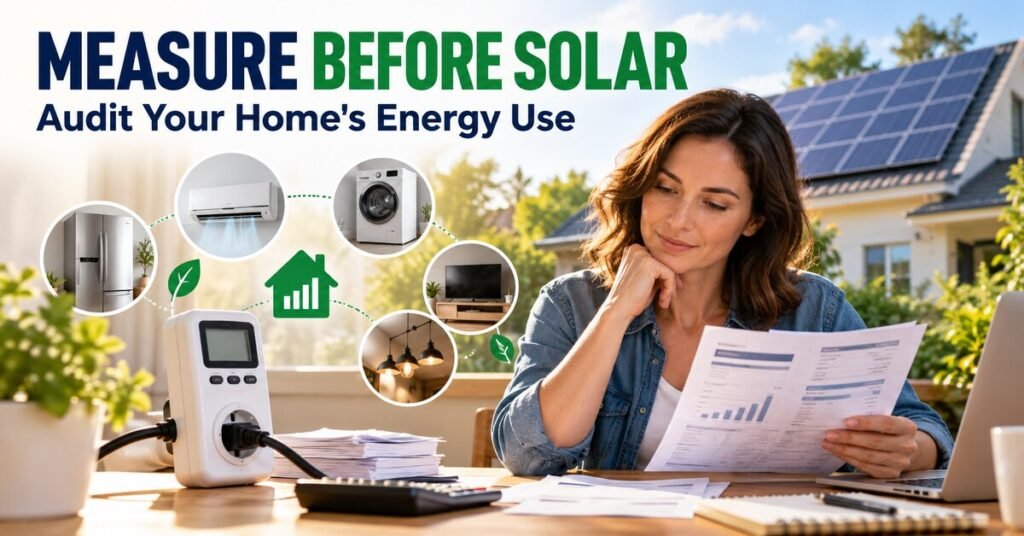
A home energy audit before solar establishes what the household actually uses, when it uses it and which loads require backup.
Read guideSolar Roof Mounting and Waterproofing: Prevent Avoidable Leaks

Solar roof mounting waterproofing is part of protecting the building while supporting the array.
Read guideSolar Monitoring Without Internet: Local Data and Cloud Limits
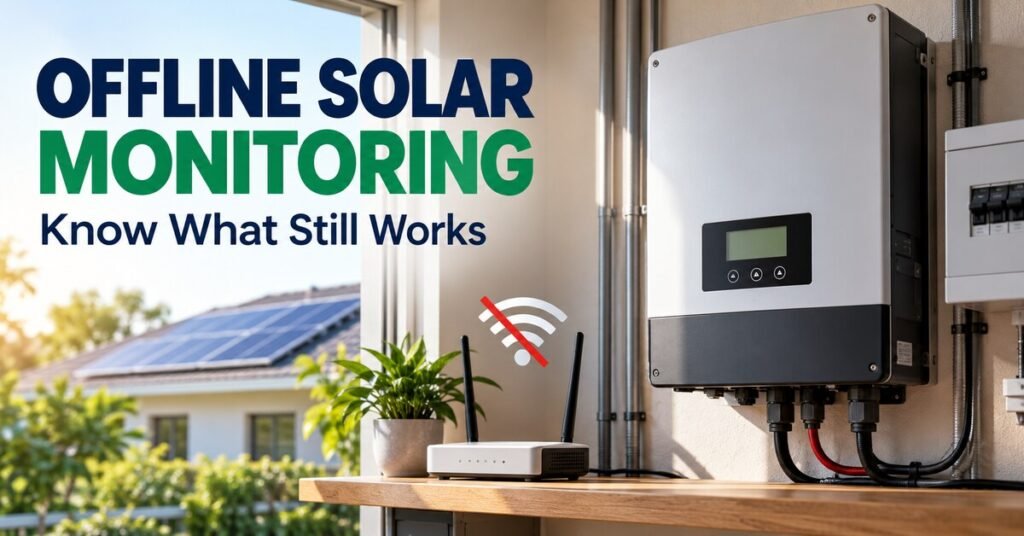
Solar monitoring without internet depends on the equipment’s local display, communication and logging features.
Read guideSolar System Commissioning: Documents and Tests to Request

A solar system commissioning checklist helps verify that the delivered installation matches the agreed design and that the owner receives usable records.
Read guideReplacing a Solar Battery Bank: Diagnose Before You Buy

Replacing a solar battery bank should begin with diagnosis and a revised load assessment.
Read guideSolar Inverter Error Codes in Pakistan: What They Mean and How to Fix Them
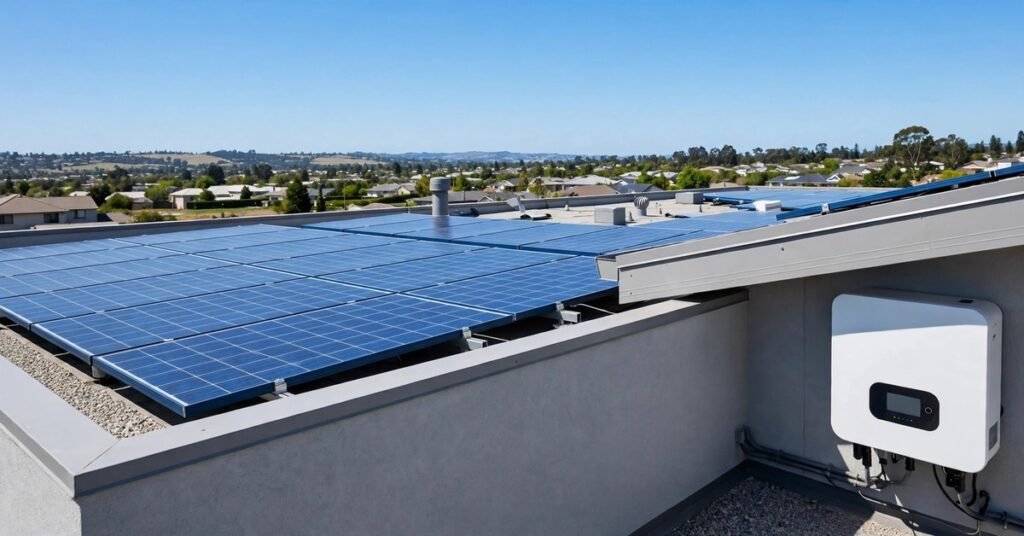
Why Your Inverter Shows Error Codes at All Your solar inverter is the hardest-working part of your system. Panels just sit in the sun, but the inverter converts every watt of DC into usable AC, manages battery charging, and watches the grid — all at once. When something drifts outside safe limits, it protects itself […]
Read guideHybrid Inverter and Generator Compatibility: What to Verify

Hybrid inverter generator compatibility requires a documented system arrangement.
Read guideZero-Export Solar Explained: Control, Approval and Limitations
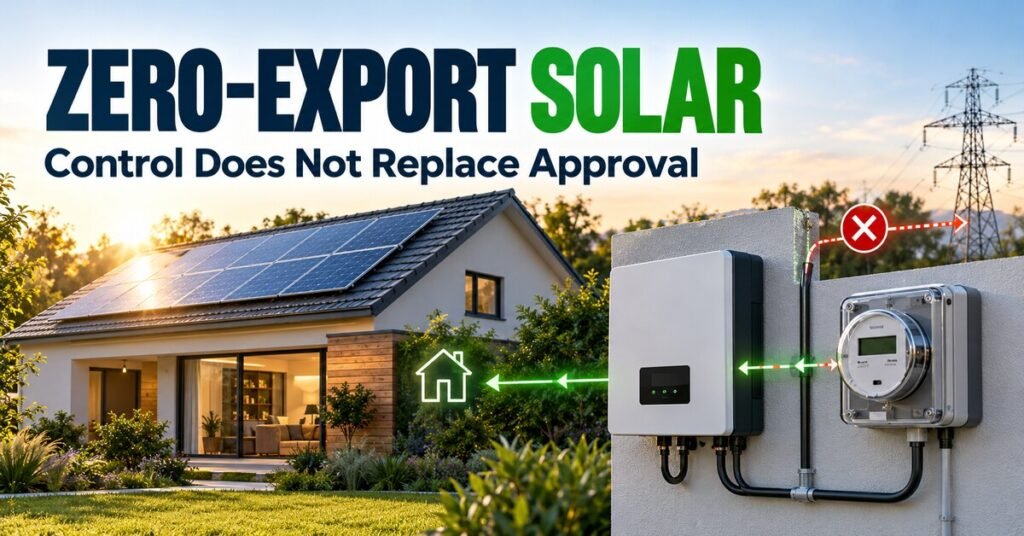
Zero-export solar uses a supported control arrangement intended to limit electricity flowing from the installation into the grid.
Read guide