

Solar roof mounting waterproofing is part of protecting the building while supporting the array. A suitable installation coordinates roof condition, structural loads, attachment details, drainage and service access. Panels should not conceal existing leaks or turn a repairable roof into an inaccessible problem.
Assess the roof before designing the array
Inspect the roof’s condition and record existing leaks, cracks, damaged coverings and drainage issues. A qualified professional should assess structural suitability for the proposed mounting arrangement. Repair needs and solar installation should be planned together.
Use the installation quotation checklist to identify roof works and exclusions. Photograph the pre-installation condition and clarify responsibility for repairs. An owner should know whether the quote includes building work or only the solar equipment.
Match mounting to the roof type
Concrete, tiled, sheet and other roofs can require different attachment and weather-sealing details. The mounting system should be appropriate to the actual structure and covering. A generic rail layout does not establish a suitable attachment method for every building.
Follow the relevant equipment and mounting instructions through a qualified design. Verify module fixing requirements, load assumptions and compatible components. The panel’s own mechanical specification is not a structural approval for the property beneath it.
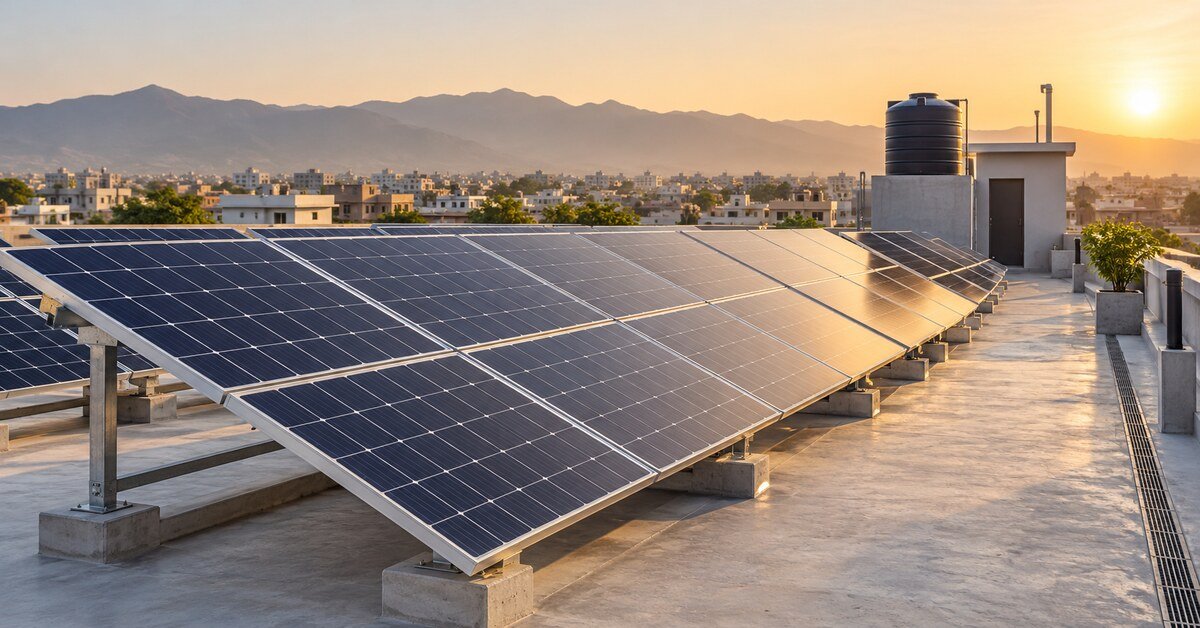
Compare flat and pitched roof options with the flat roof vs pitched roof solar guide.
Compare attached and ballasted approaches carefully
Where relevant, ask why the chosen approach suits the roof. Mechanically attached and ballasted arrangements impose different structural and waterproofing considerations. Neither should be treated as automatically leak-free or universally suitable.
Review loads, wind exposure, movement and the condition of the roof surface. A professional assessment should address the finished system, including supports and protective details. Avoid assuming that avoiding penetrations removes every risk to the building.
Specify penetration and sealing responsibilities
If attachments penetrate the roof, the design should identify the appropriate weatherproofing detail and materials. The installer should explain who performs the work and how it will be inspected. A casual promise to add sealant is not the same as a documented compatible roof detail.
Do not improvise sealant, drilling or repair methods from a general article. Materials, roof coverings and attachment systems differ. Request the qualified contractor’s supported approach and its maintenance requirements for the actual building.
For the full installation sequence, see how to install solar panels on your roof in Pakistan, from survey to handover.
Preserve drainage and roof access
Map drains, water paths, access routes and roof equipment before placing supports and rows. The array should allow appropriate inspection and maintenance without blocking drainage. Water tanks, pipes and future building work also need practical access.
Our panel-count guide explains why total roof area differs from usable array area. A tightly packed layout can look attractive in a capacity calculation while leaving insufficient service space. Compare the safely usable arrangement rather than only the nominal module count.
Review shade, height and wind together
Module height and tilt affect layout, exposure and access. A raised array intended to avoid one shadow can create different mounting demands. Review the whole design instead of approving height changes solely from a production perspective.
Our shading guide helps assess obstructions across relevant seasons. The qualified designer should consider production and structural requirements together. A favourable noon photograph cannot establish all the conditions the roof will experience.
Document installation and inspection
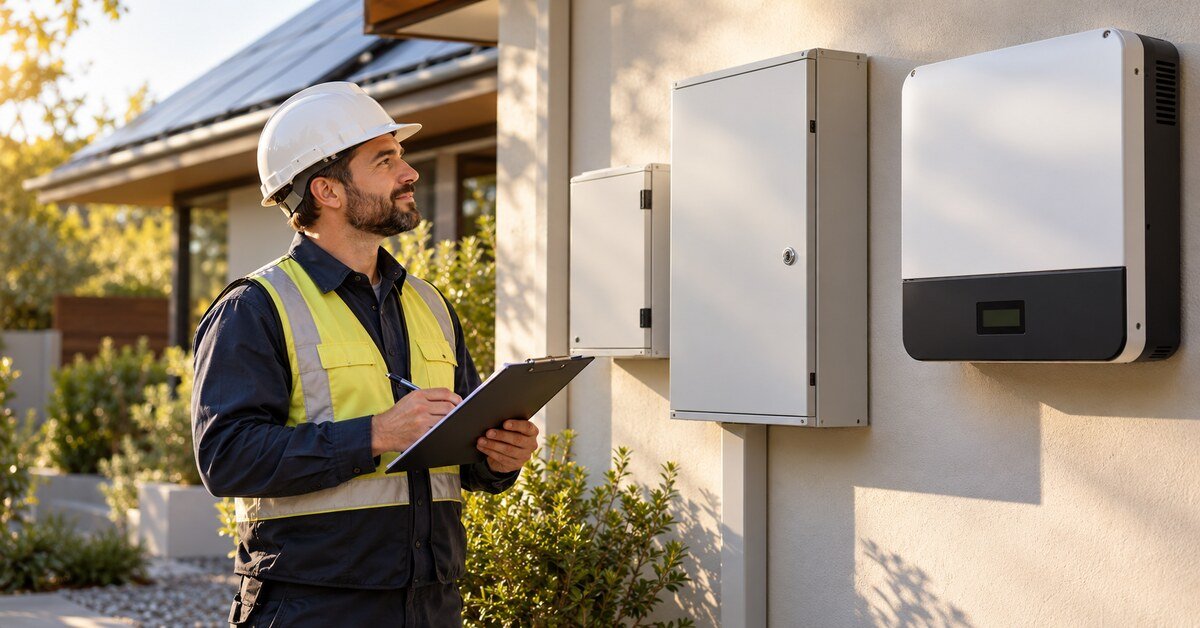
Retain photographs and records of relevant mounting and weatherproofing work before details become difficult to see. The records should identify locations and correspond to the final roof layout. Note any approved changes made during installation.
Ask for an appropriate inspection of the finished work and a clear outcome for unresolved issues. Existing roof defects and installation-related concerns should be documented separately. This helps a later investigation determine what changed rather than rely on memory.
Agree on roof repair and removal arrangements
Solar equipment may need temporary removal for building repairs. Ask how that work would be performed, who coordinates it and which costs are included or excluded. A system that can be accessed and documented is easier to service responsibly.
For shared or leased premises, clarify permissions and responsibility for damage or restoration. Keep the agreement with the installation records. Ownership and maintenance access matter throughout the project’s life, not just on installation day.
Monitor the roof after installation
Use safe observations from accessible locations to record leaks, blocked drainage or visible movement. Our maintenance checklist helps organise dates and service responses. Do not climb onto modules or open electrical equipment to investigate water entry.
If a leak appears, document where and when it occurs and contact the appropriate qualified contractor. Water can travel before becoming visible indoors, so the apparent location may not identify the source. Repair should address the diagnosed cause and preserve the supported mounting arrangement.
Questions for the contractor
- What roof assessment supports the proposed mounting?
- Which roof repairs and drainage work are included?
- Which attachment and weatherproofing details apply?
- Who inspects and supports the completed building work?
- What access is retained for service and future repairs?
- What documentation and responsibility terms will be provided?
Compare mounting scope alongside electrical equipment. A cheaper solar quote can be poor value if necessary roof work is omitted or the responsibility for leaks remains unclear.
Frequently asked questions
Do solar panels prevent roof leaks?
They are not a substitute for a sound roof and suitable weatherproofing. Resolve existing defects and assess the mounting arrangement professionally before installation.
Is ballast always better than attachments?
No universal choice applies. Structural loads, wind, roof condition and the supported system design determine suitability. Request the basis for the proposed method.
Should I repair the roof before solar installation?
Have the condition assessed and coordinate required work before the array makes access harder. The appropriate sequence depends on the repairs and mounting design, so agree it with the responsible contractors.
Every mounting point is a potential leak path, so treat flashing and sealing as part of the installation — not an afterthought. Insist on a written waterproofing commitment from your installer, and check the roof again after the first heavy rain.
For a general roof-installation overview, see how to install solar panels on a roof.