Canadian Solar Panel Price in Pakistan – All Models, Rates & Complete Guide 2026
Electricity bills keep climbing, load shedding hasn’t really gone away, and more people in Pakistan are just done waiting around for the grid to sort itself out. That’s the backdrop against which solar has become such a common topic at dinner tables and WhatsApp groups alike. Canadian Solar keeps coming up in these conversations, and for good reason it’s one of the more established names in the market.
But actually pinning down what a panel costs today isn’t as simple as it sounds, because the number moves depending on the dollar, the technology inside the panel, and honestly, which shop you happen to be standing in. Here’s a rundown of where prices actually stand, which models are worth a look, and what pushes the cost one way or the other.
Why People Keep Choosing Canadian Solar
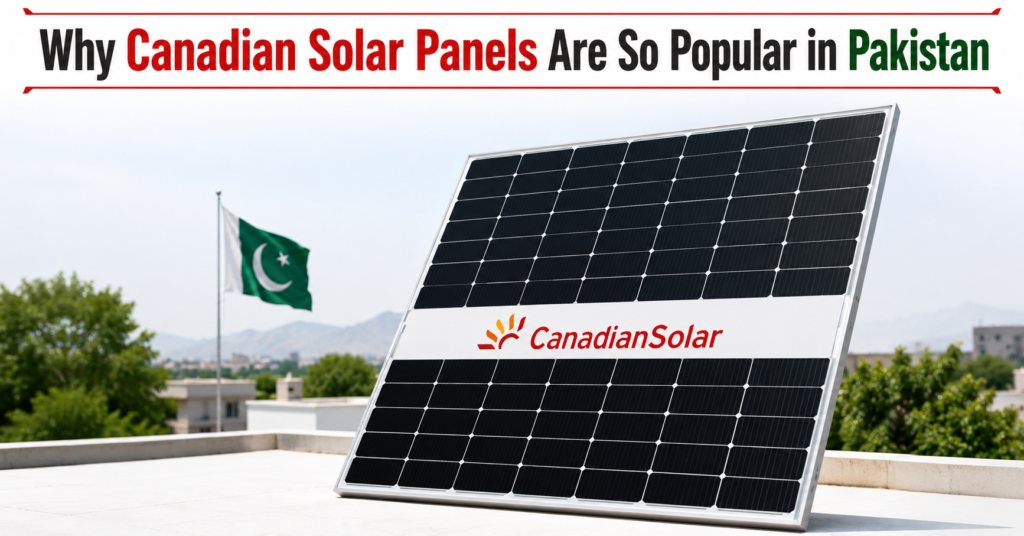
Ask a few installers around Lahore or Karachi why they recommend Canadian Solar, and you’ll hear some version of the same answer: it’s a Tier-1 manufacturer, the certifications check out, and the panels hold up in brutal summer heat without losing much output. That matters more in Punjab and Sindh than it does in cooler climates.
The brand’s also been around in Pakistan long enough over a decade now that it’s not some unfamiliar name showing up out of nowhere. You’ll spot its panels on rooftops all over Islamabad, Lahore, and Karachi. When you’re putting money into something meant to last 20-25 years, that track record isn’t nothing.
So, What’s the Actual Price Per Watt Right Now?
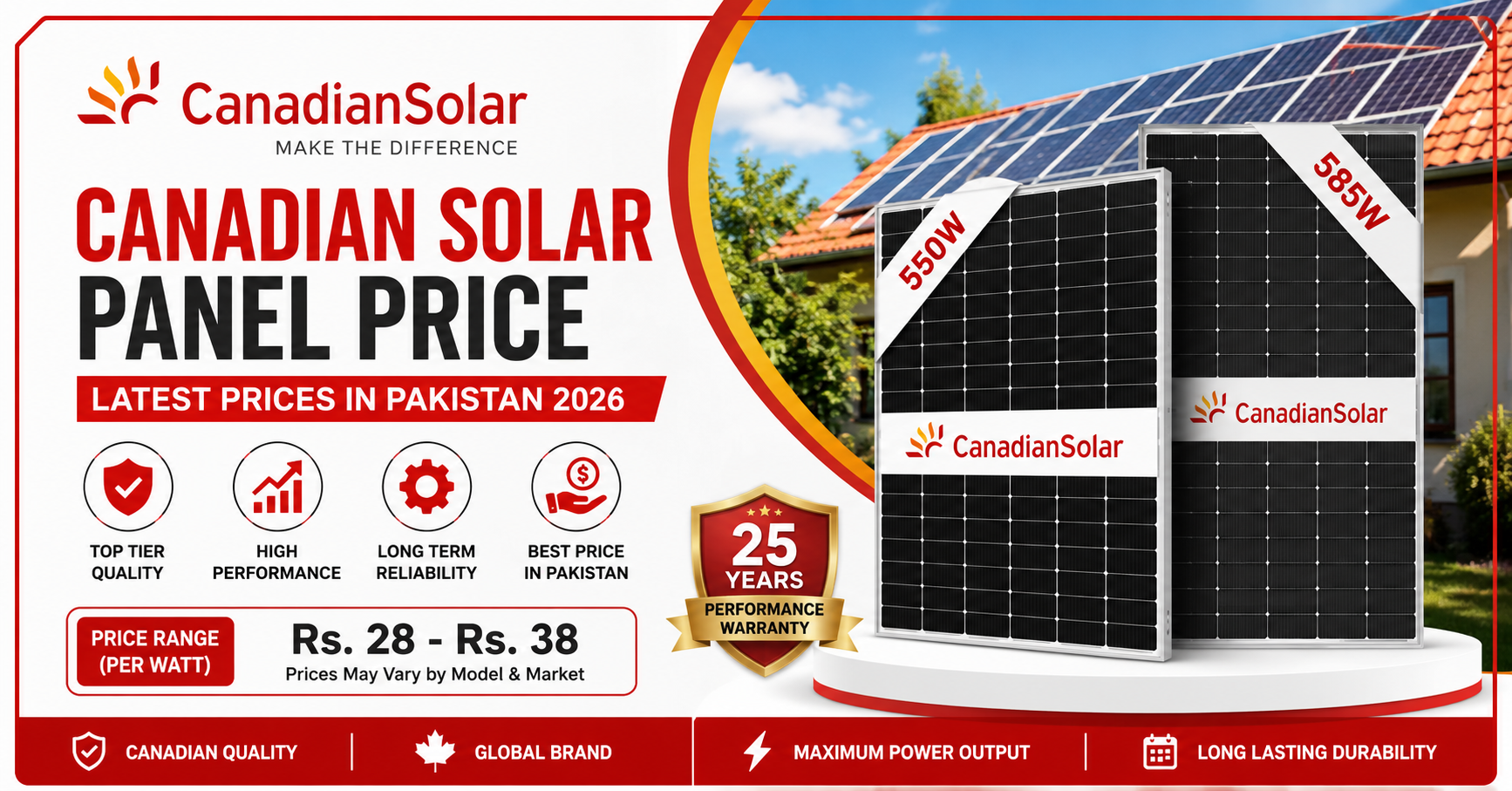
Here’s the honest answer: it depends, and it changes often. Between exchange rate swings, import costs, and city-to-city variation, there isn’t one fixed number floating around. Pulling from current listings, the range sits somewhere between Rs. 30 and Rs. 46 per watt, though most documented A-grade panels tend to land closer to Rs. 34–43 per watt once you factor in the model and cell technology.
A handful of things move that number around:
- Hall Road in Lahore, being a wholesale hub, usually beats Islamabad retail pricing.
- Bigger panels — 600W and up — generally cost less per watt than smaller ones. Counterintuitive, but that’s how it plays out.
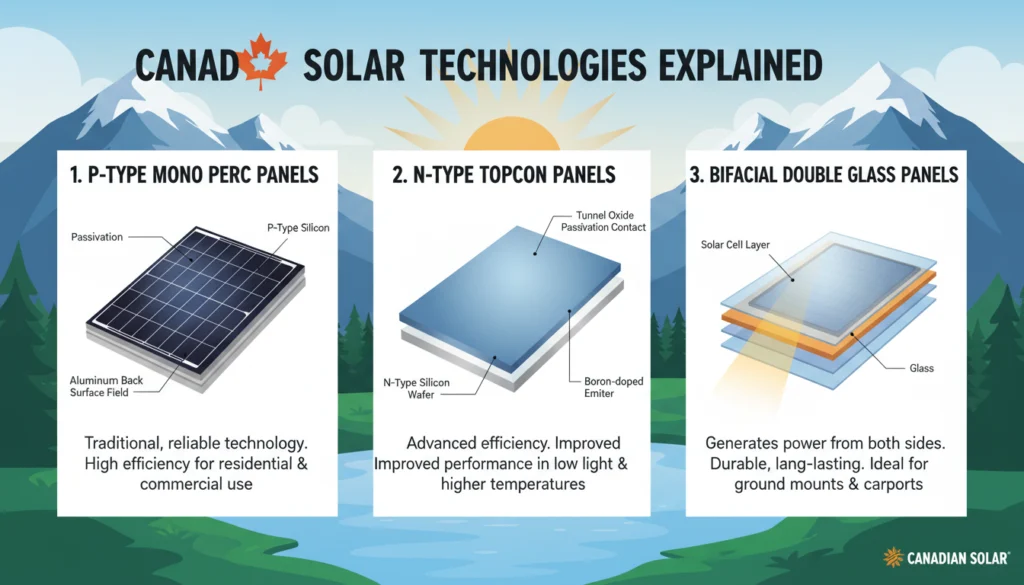
- Newer cell tech like TOPCon or HJT costs more, but you’re paying for better efficiency and heat resistance.
- The USD/PKR rate matters a lot here since these panels are imported. When the dollar jumps, prices can follow within weeks, sometimes days.
Given how much this shifts, it’s genuinely worth calling a dealer for a live quote rather than trusting whatever number shows up in an old blog post — including this one, eventually.
Popular Models Worth Knowing About
| Model / Wattage | Panel Type | Where It Fits |
|---|---|---|
| 545W – 555W | Single Glass (Monofacial) | Tighter budgets, simple installs |
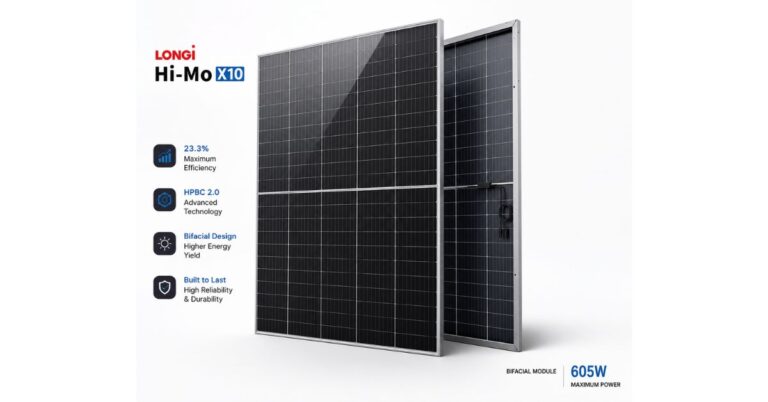
| 585W – 590W | N-Type TOPCon Bifacial | The go-to for residential net metering |
| 610W – 615W | N-Type TOPCon Bifacial | Good middle ground on price and output |
| 620W – 625W | HJT (Heterojunction) | Premium option, costs more |
| 700W – 715W | N-Type TOPCon (Large Format) | Commercial and industrial roofs |
If you’re installing on a typical home, the 585W or 615W bifacial models are what most installers point people toward. Not because they’re flashy, but because the price-to-output ratio just works out well for standard net-metering setups.
Single Glass or Bifacial — Does It Matter?
It does, actually, and it affects what you pay.
Single glass panels only pull in sunlight from the front. They’re lighter, easier to mount, and cheaper. If your budget’s tight or your install is fairly basic, this is usually the sensible pick.
Bifacial panels catch light from both sides, front and back. Done right, that can meaningfully bump up total output, particularly on rooftops with a reflective surface underneath. You’ll pay more upfront, but the extra generation tends to close that gap over time.
Beyond Per-Watt Rate — What Else Changes the Bill
The per-watt price only tells part of the story. Here’s what else factors into what you actually end up paying:
- System size. A standard 5kW home setup, around 10 panels, typically runs Rs. 350,000 to Rs. 500,000 all-in — inverter, mounting, wiring, labor, the whole package.
- Inverter choice. Going with a solid inverter brand costs more upfront, but it’s not the place to cut corners if you want the system to actually last.
- Labor and installation. This varies a fair bit depending on who’s doing the work and where you’re located.
- Panel grade. A-grade documented stock costs more than B-grade or unmarked panels, but the reliability and warranty backing make the difference worth it in most cases.
- The dollar. Since these are imported panels, even a modest shift in USD/PKR can nudge per-watt prices up or down within a matter of weeks.
A Few Things Worth Doing Before You Buy
Get documentation proving the panel is genuinely A-grade Canadian Solar stock — not a rebrand, not refurbished. It’s more common than people think.
Get quotes from more than one dealer. Prices can differ more than you’d expect even within the same city, so shopping around actually pays off here.
Read the warranty terms properly. Genuine panels usually carry performance warranties running up to 25 years, and that’s worth confirming in writing.
Think about your roof space and inverter capacity before locking in a wattage — bigger isn’t automatically the right call for every setup.
And if the pricing you’re seeing online feels off or outdated, just call a local authorized dealer directly. Listings lag behind the real market more often than not.
Final Thoughts
Solar isn’t really a “maybe someday” purchase anymore for a lot of Pakistani households it’s becoming one of the more sensible ways to deal with rising bills and an unreliable grid. Canadian Solar holds up well against the competition thanks to its certification and long presence in the local market.
Just remember that per-watt pricing moves around with technology, wattage, and the dollar, so it’s worth checking with a trusted supplier before you commit to a number. That way the price you plan for is the price you actually pay.