
Solar panel cleaning in Pakistan helps manage dust, bird droppings and other deposits that can block sunlight. The safest approach is to follow your module manufacturer’s cleaning instructions, use suitable water and gentle tools, and arrange professional help when rooftop access is unsafe. There is no single cleaning interval or guaranteed percentage improvement that applies to every installation.
This guide explains how to clean solar panels without damaging their glass, coatings or electrical components. Dust storms, nearby construction, smog and coastal deposits can change maintenance needs; inspect your own installation rather than relying on a fixed nationwide schedule.
1. Choose a cool time and check access
Clean when modules are cool, usually in the early morning or another low-sunlight period. Avoid putting cold water onto hot glass. The exact safe water temperature and cleaning conditions depend on the manufacturer’s manual, rather than a universal clock time such as before 8 AM.
Check the roof from a safe position before starting. Wet surfaces, exposed edges and unstable ladders make cleaning hazardous. For a high, sloping or difficult roof, book trained professionals with suitable access equipment. Do not improvise a fall-protection system or lean across the array.
2. Use gentle tools without walking on panels
A clean, soft brush or suitable microfiber cloth can remove loose dirt without abrasive scrubbing. Rinse away grit before wiping it across the surface, and keep tools free of sand. Choose a manufacturer-approved method; a long pole only helps if it can be used from a stable, safe position.
Never stand, sit or place heavy objects on a solar module. Concentrated pressure can damage cells even when the outer glass still looks intact. Avoid stiff brooms, abrasive pads and metal scrapers. Do not scrape hardened bird droppings; soften them using the approved cleaning method.
3. Check water quality
Hard water can leave mineral spots after drying. Where spotting is a problem, ask your installer about low-mineral or demineralized water compatible with the module manual. A standard carbon filter generally does not remove dissolved hardness minerals, and a conventional water softener does not necessarily provide low-total-dissolved-solids water.
Keep rinse water clean and use a gentle flow. Do not assume a pressure washer is suitable. Only use drying tools if the manufacturer allows them, and avoid aggressive scraping of existing mineral deposits. If residue persists, ask the manufacturer or installer which treatment is safe for the coating.
4. Follow the manual on cleaning products
Plain suitable water may be sufficient for loose dust. For stubborn marks, use only cleaning agents approved for the specific module. Do not assume dish soap, bleach, solvents, acid cleaners or household glass cleaner are compatible. Product formulation and coatings differ, so a universal rule allowing any biodegradable soap would be unreliable.
Rinse as instructed so residue does not remain on the glass. Keep cleaning products away from electrical fittings and avoid flooding connectors or junction boxes.
5. Respect electrical hazards
Solar modules can generate DC electricity whenever light reaches them. Switching off the inverter does not automatically make the panels and every cable safe. Follow the installer-approved shutdown procedure where required, but never unplug DC connectors, open enclosures or handle wiring as part of routine cleaning.
Do not wash a cracked module or one with visible electrical damage. Keep away from exposed cables and report the problem to a qualified technician. Bird nests and debris near wiring need professional assessment; do not reach beneath live modules to remove them.
6. Set cleaning frequency using inspection and monitoring
Inspect after a dust storm, nearby construction or visible accumulation of bird droppings. Clean only when needed and safe. Rain may rinse some loose dirt, but it may not remove sticky deposits or heavy soiling.
Compare inverter energy readings over several reasonably similar days. Record cleaning dates, weather and any improvement. A fall from 30 kWh to 24 kWh alone does not prove dust is the cause: clouds, heat, shading, faults, curtailment and changes in system operation can also alter production. Persistent losses after cleaning deserve a technician’s diagnosis.
Common solar panel cleaning mistakes
Avoid high-pressure jets, washing hot glass with cold water, dry-scrubbing gritty surfaces, walking on modules and treating an inverter shutdown as proof that all DC wiring is safe. Do not promise a fixed payback period or a particular energy gain from cleaning: the outcome depends on initial soiling and site conditions.
When should you hire a cleaning service?
Professional cleaning is the sensible choice when there is no safe access, modules are near unprotected edges, equipment appears damaged, or deposits need specialist treatment. Ask what access equipment, cleaning products and water quality the service uses, and whether its method follows the module warranty instructions.
Frequently asked questions
How often should solar panels be cleaned in Pakistan? Base the interval on visible soiling, local conditions and the manufacturer’s instructions. A dusty site may need more attention than one with regular rain; weekly cleaning is not automatically necessary.
Can I clean panels with tap water? It depends on the water quality and module guidance. Tap water with substantial mineral content may leave deposits. Seek advice if spotting is visible.
Will cleaning increase output by 25%? No fixed gain is guaranteed. The benefit depends on how much light was being blocked and other operating conditions.
Can I spray water to cool panels at midday? Do not use routine cleaning as an improvised cooling system. Rapid temperature changes and unsafe access can create problems.
Related guides and sources
Read our solar panel buying guide, solar energy monitoring guide and guide to heat and solar output.
Check the manual for your exact module through the JinkoSolar installation-manual library or your own manufacturer’s support website. Instructions vary by product. This article provides general maintenance guidance; it does not replace model-specific instructions.
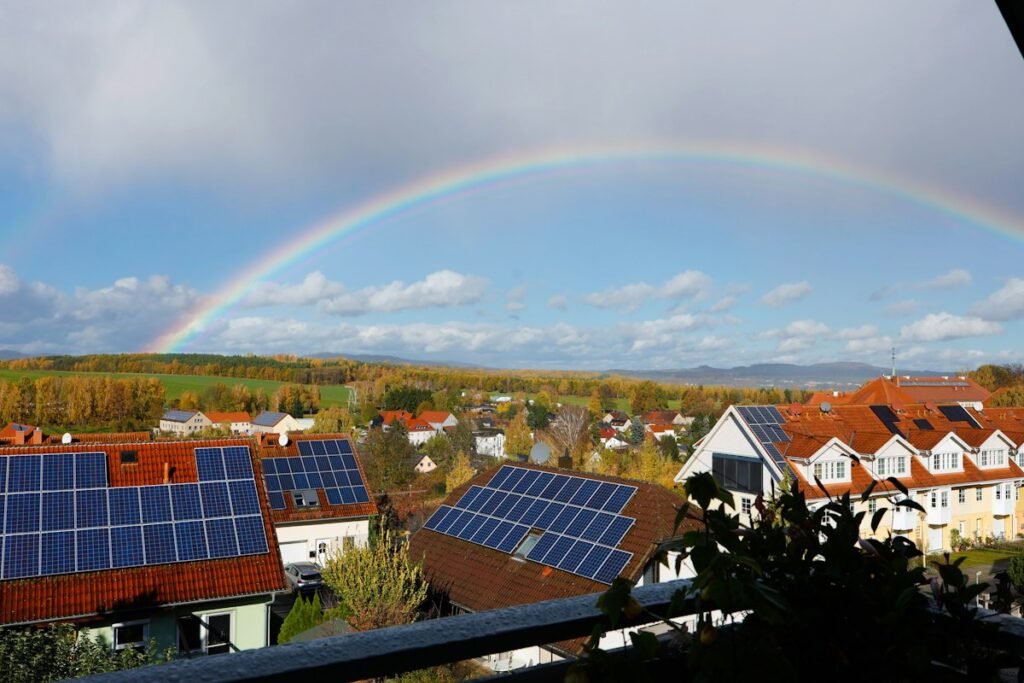
Featured stock photograph: Lara John / Unsplash. The image illustrates rooftop solar and does not identify a Pakistani installation.