
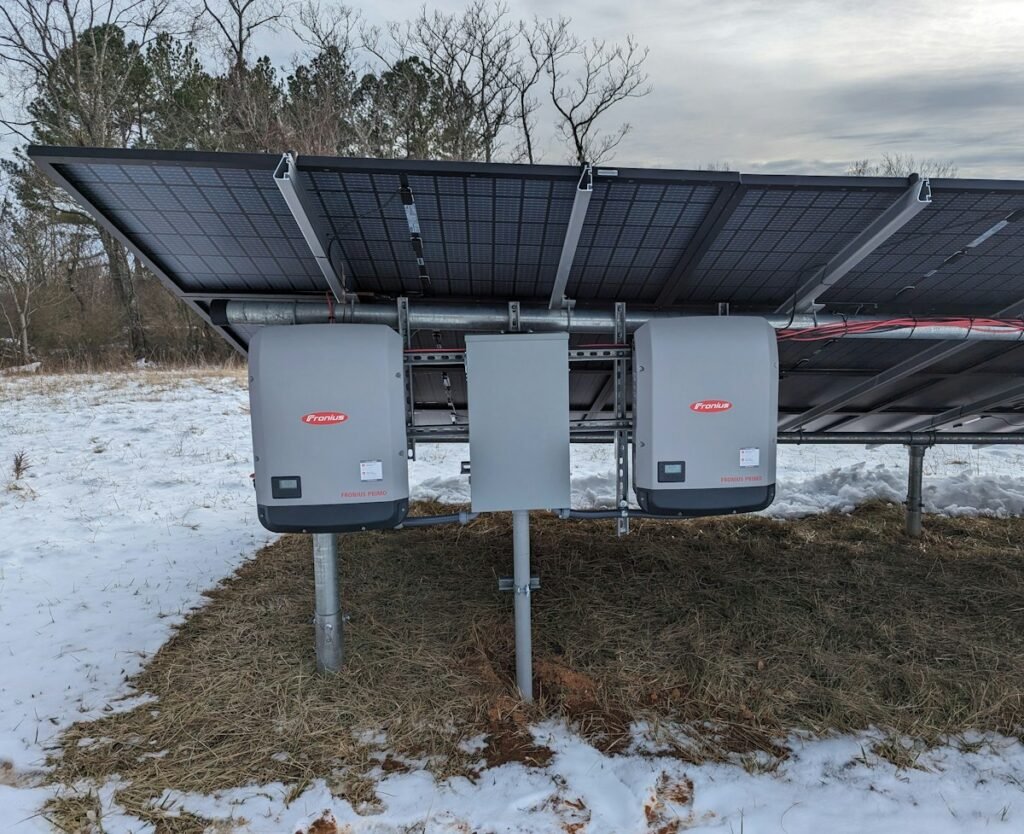
Single-phase or three-phase? For most Pakistani homeowners the answer is decided by the electricity connection already on their wall — but plenty of buyers still get sold the wrong inverter because nobody explained what the phases actually do. This guide explains how each type works, when each is right, and the costly mistakes to avoid.
How a single-phase inverter works
A single-phase inverter converts the DC from your panels into 220V AC for a single-phase supply — the standard connection in most Pakistani homes. All of its output is available to your household circuits together, which makes sizing beautifully simple: a 5kW single-phase inverter can deliver 5kW to whatever combination of loads is running. Single-phase inverters dominate residential systems up to about 10kW because they are cheaper, simpler to install, and compatible with the connection most homes already have. If your DISCO bill and meter describe a single-phase connection, this is almost certainly your category.
How a three-phase inverter works
A three-phase inverter splits its output across three 220V phases (400V between phases) — the supply type common in larger homes, commercial buildings, plazas and properties running heavy machinery. A 10kW three-phase inverter delivers roughly 3.3kW per phase, not 10kW to any single circuit. That division is the critical fact buyers miss: if your heaviest loads all sit on one phase, a three-phase inverter can leave that phase overloaded while the others idle. Three-phase units also support three-phase motors and equipment directly, which single-phase inverters cannot. Confirm your connection type from your electricity bill or meter before anything else — it is printed there.
Hybrid, on-grid or off-grid?
Phase type is one decision — system type is the other. Compare them first.
Which one do you need?
- Single-phase connection + typical home loads: single-phase inverter. Simple, economical, correct.
- Three-phase connection, balanced loads: three-phase inverter matched to the connection.
- Three-phase connection, but most loads on one phase: get an electrician to assess load balancing first — sometimes redistributing circuits is smarter than upsizing the inverter. Ask the manufacturer about supported unbalance.
- Three-phase motors or machinery: three-phase inverter (or a dedicated three-phase drive) — single-phase cannot run this equipment.
- Planning backup: decide which phases get backup during outages; backing up all three phases needs a bigger battery and careful design. Our hybrid inverter guide covers backup ratings.
Cost and installation differences
Three-phase inverters cost more than single-phase units of the same capacity, need more careful commissioning (phase rotation, balancing), and face stricter DISCO scrutiny at inspection. Do not let anyone sell you a three-phase inverter for a single-phase home “for future expansion” — the expansion would require changing your entire electricity connection, and the mismatch meanwhile complicates net metering. Speaking of which, confirm the model is on your DISCO’s approved list either way; our net-metering guide walks through the approval process.
A note on balancing your loads
If you have a three-phase connection, ask your electrician for a simple phase-wise load audit before buying anything. In many Pakistani homes the load is lopsided — the kitchen and one AC on phase one, almost nothing on phase three. A three-phase inverter can only back up and export evenly, so a badly balanced home wastes capacity on empty phases while overloading the busy one. Sometimes the cheapest upgrade is not a bigger inverter but an afternoon of rewiring circuits across phases. Get the balanced picture first, then match the inverter to it — and confirm the manufacturer’s supported unbalance figure, because every three-phase unit has a limit on how uneven the phases may be.
Frequently asked questions
Can I use a single-phase inverter on a three-phase connection?
Sometimes — a single-phase inverter can feed one phase of a three-phase supply, which suits homes whose heavy loads are concentrated there. But it must be designed and approved for that arrangement; get your electrician’s and the DISCO’s confirmation in writing.
Does three-phase give more backup during load shedding?
Not automatically. Backup depends on the inverter’s per-phase backup rating and the battery behind it. A three-phase system with an undersized battery backs up less, in practice, than a well-designed single-phase one. Verify with our backup-time guide.
Which is better for net metering?
Whichever matches your connection. DISCOs approve equipment against your sanctioned load and connection type — a mismatch is the fastest route to a rejected application.
Can I change from single-phase to three-phase later?
Yes, through your DISCO, but it involves a new connection process, charges and meter changes. If you are considering it, settle the question before buying the inverter, not after.
Size the system around your connection
Load profile first, inverter second — the sizing method that prevents mistakes.
3 Responses